
Text and all images by Michael Klinkhamer©
On the outskirts of the Cambodian capital Phnom Penh city, you can find a wasteland that tourists never visit. Here the city of Phnom Penh used to operate a huge garbage dump, landfill, named locally “Smokey Mountain.”
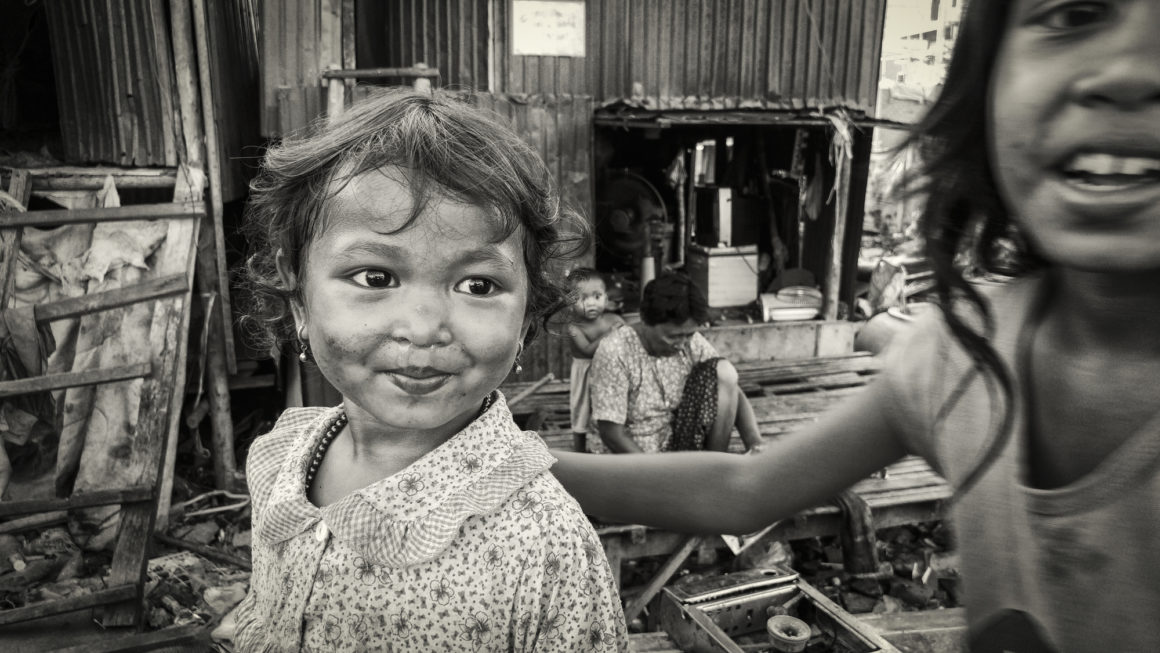
For the poorest people and their children, this is still a place to scavenge through the stinking, smoldering, and burning waste. They sell whatever is found to survive.
The landfill was operational until 2009. A newer landfill is relocated further outside the ever-growing city limits.
The people dwelling in Steung Meanchey find housing and employment in collecting garbage.
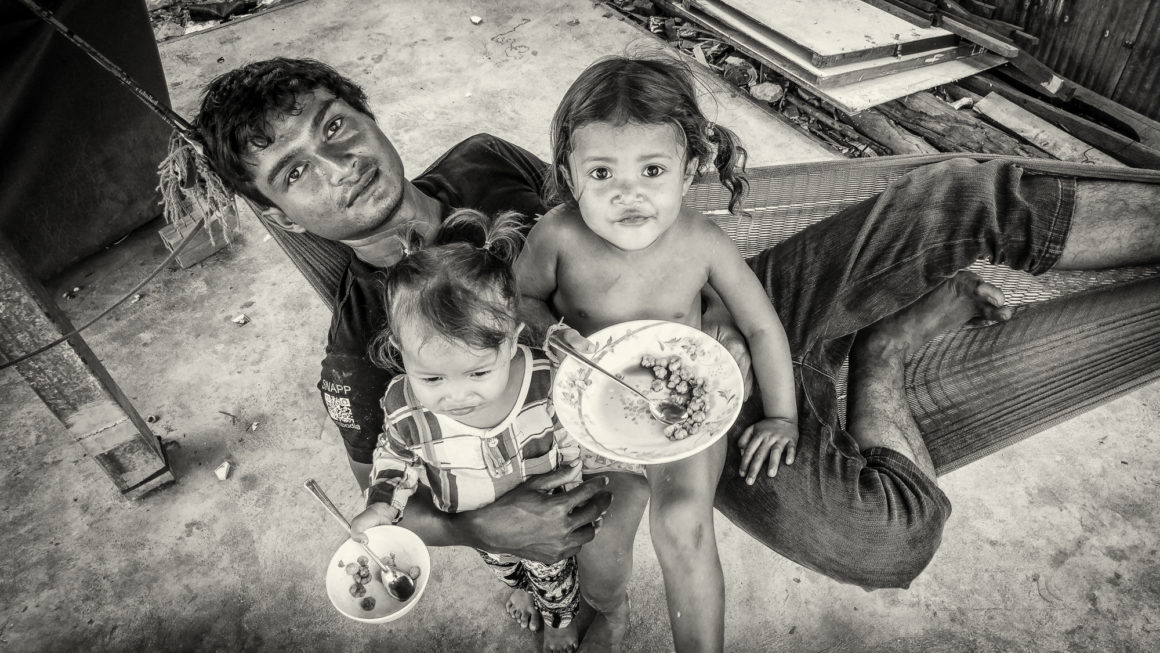
Since this area is basically a wasteland it attracts the poorest people looking for a cheap or even a free self-made hut made of plywood and what’s found. Trying to make it in the big city.
Most family’s come from the impoverished countryside and migrate to the big city hoping for a better future “between a rock and a hard place.”
Click on the images below to see all the images in gallery mode.


People are hopeful and always friendly toward visitors
Contrary to what you expect the energy here is hopeful and always friendly toward visitors. The locally operated Cambodian Children’s Fund has a lot to do with that positivity but it is also a known trait of the resilient Cambodian people in general.
The CCF is the driving force in education and optimism for most of the children growing up there in poverty. For them the only realistic way out is education. The CCF foundation was established by Scott Neeson in 2004 and is an unconventional success story helping people help themselves.
I was lucky to work with this organization as a photography trainer and also published many picture stories and interviews with founder Scott Neeson since 2010.
Ever since I visited this place I was infected by the positivity and sparkle you will receive once you see, smell, and walk around here and get in touch with the locals.
Click on the images below to see all the images in full size gallery mode.


See real poverty is just heartbreaking, but things are improving.
At the same time, it still is by no means a walk in the park here, and real poverty is still very real and oppressive and just heartbreaking.
Over the last ten years, I have visited the Phnom Penh Steung Meanchey waste dump many times and established a relationship with some people there and helped individual cases as much as I could. A very positive achievement was made with the availability of brand new small houses that sprung up in cooperation with world housing.
With this Canadian initiative, there was hope for families to live and raise their children in a more livable environment and take pride in their lives and wellbeing.
At the same time, an impressive university has been built right there where the garbage used to burn. The Neeson Cripps Academy was opened in 2017 With higher education for a brighter future.
Yes, I also took a lot of pictures there and yes, I admit there are hard truths and real beauty to be found in these people and their children. A deep respect for the way they are surviving. I believe it is my privilege to raise awareness with my camera for real situations of real people fighting for a better life.
It’s is the job of a social photographer to show truth and reality. Michael Klinkhamer
There is also criticism and abjection by some critics as they see my pictures as “poverty porn” and sensationalism. For me, there is no hiding for the truth, reality, and beauty in my pictures.
A chilling truth is also that the mainstream media and big NGOs follow their agendas. They often only report about social injustice during a disaster to raise funds for their own selected programs they support. While overlooking the real issues right in front of them on the ground.
With my pictures, I can reach you directly and you can support for example the CCF foundation. The pictures here were shot on a smartphone and edited as black and white for an ad campaign to raise awareness of optimism in the world.
Click on the images below to see all the images in gallery mode.
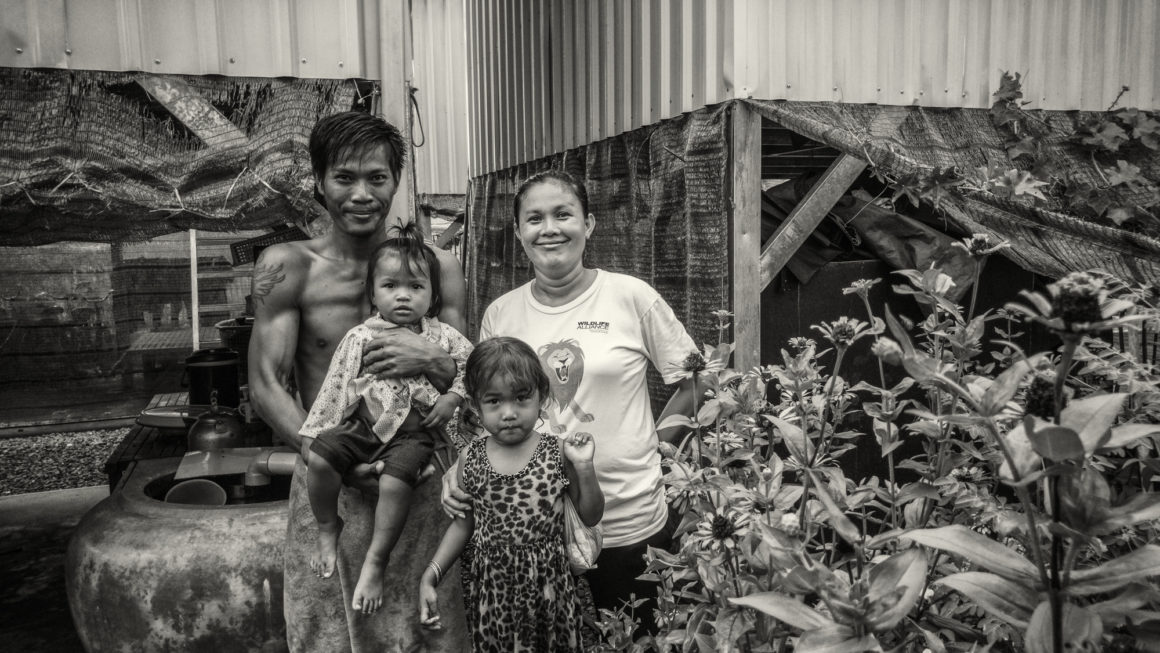


I’m working mostly in South East Asia based in Cambodia until March 2020.
Click on the images below to see all the images in gallery mode.


